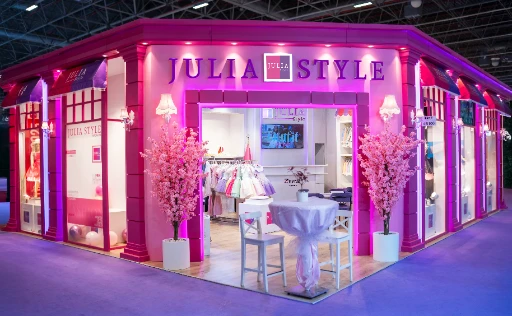


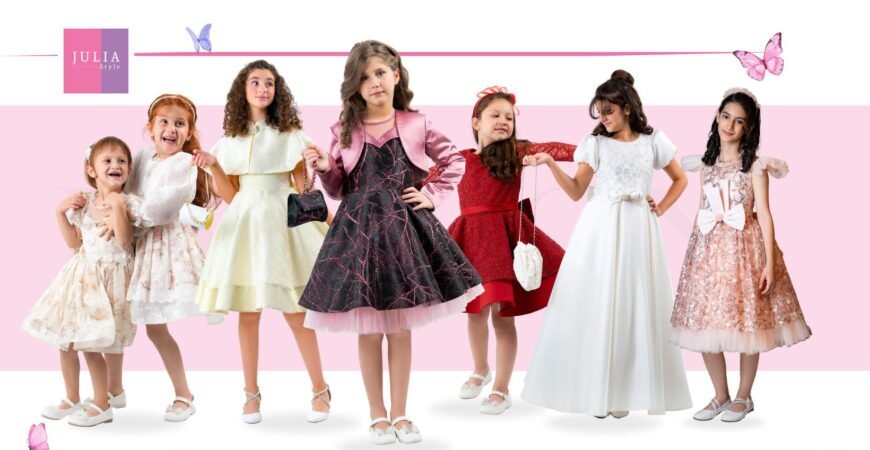
Julia Style, established in Istanbul, Turkey, is a leading brand in the production of girls’ clothing ranging from ages 2 to 12. The company uses the finest fabrics to create winter and summer dresses that suit all ages and meet the needs of every occasion. Julia Style is committed to delivering innovative designs and high quality, making it the top choice for mothers everywhere.
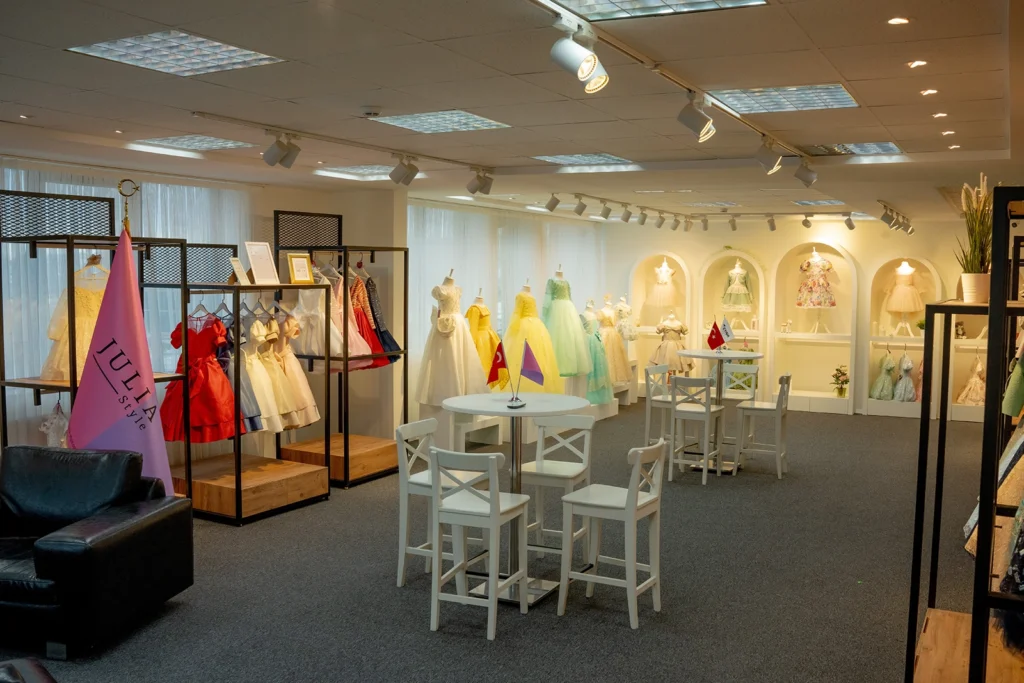
The quality of fabrics is one of the key factors that distinguish Julia Style from others. The company uses carefully selected fabrics to ensure comfort and durability, with a focus on intricate details that add a touch of elegance and distinction to each dress. Julia Style’s designs come directly from its office in Ohio, USA, ensuring that the pieces are in line with the latest global fashion trends.
The headquarters of Julia Style is located in Istanbul, Turkey, a city known for hosting numerous events dedicated to children’s clothing. The company is preparing to participate in the 2024 World Apparel Expo in Istanbul, enhancing its global presence and showcasing its latest collections to a wide audience of enthusiasts and professionals in the field of children’s clothing.
Julia Style is dedicated to helping mothers choose the right clothes for their daughters at every stage of their development. Some of the tips they offer include:
Thanks to the quality of its products and its commitment to delivering the best, Julia Style has earned the trust of mothers worldwide. We look forward to seeing you at the 2024 World Apparel Expo in Istanbul, where we will showcase our latest collections and share experiences with you. For more information or to get in touch with us, please visit our website or contact us through the available communication channels.
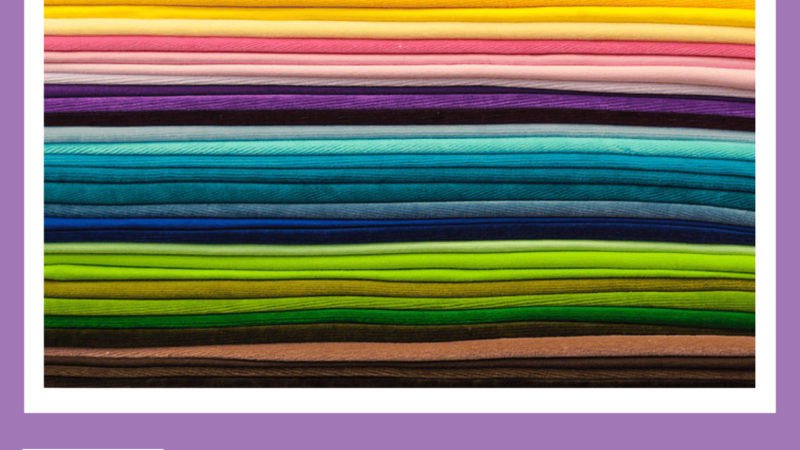
Definition of Fabric:
Fabric is a material made up of a network of threads or fibers woven together in a cohesive manner, forming a flat, regular surface. These threads or fibers can be made from natural plant or animal materials, or from synthetic materials.
Components of Fabric:
Uses of Fabric:
History of Fabric Making:
Types of Fabric:
There are many different types of fabric, each with its own properties and uses. Some of the most common types of fabric are:
Fabric Making Today:
The raw materials used to make fabric are classified into three main categories:
The Fabric Making Process:
The fabric making process varies depending on the type of fabric and the materials used. However, in general, the process involves the following steps:
Sustainability in Fabric Making:
The fabric industry faces many challenges today, including:
Conclusion:
Fabric is a versatile and essential material that has been used by humans for centuries. Today, the fabric industry is a complex and global one, and it faces many challenges in terms of sustainability. However, there are also many opportunities to innovate and develop more sustainable and ethical ways of producing fabric.
Introduction:
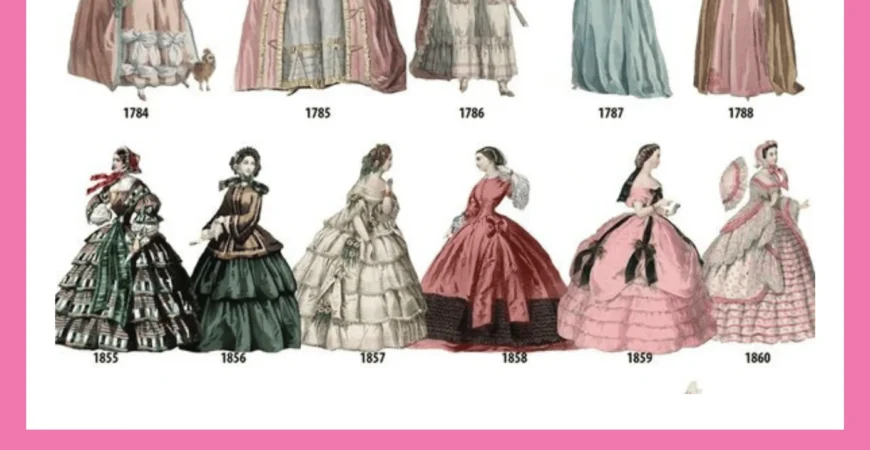
Clothing has been an integral part of human society for millennia, serving not only as a means of protection from the elements but also as a reflection of cultural identity, social status, and personal style. Over time, clothing has undergone a remarkable transformation, evolving from primitive coverings made of animal skins to the intricate and diverse garments we see today.
Early Beginnings: The Necessity of Covering
The earliest evidence of human clothing dates back to around 70,000 years ago, with the discovery of bone needles and leather fragments in South Africa. These rudimentary garments, likely made from animal skins and fur, provided essential protection from the harsh elements and played a crucial role in human survival.
The Advent of Weaving and Textile Production
As civilizations developed and technological advancements were made, clothing production evolved beyond the use of animal skins. Around 8,000 BC, weaving emerged in the Middle East, transforming plant fibers such as flax and hemp into textiles. This breakthrough enabled the creation of more durable, versatile, and aesthetically pleasing garments.
The Rise of Silk and Other Luxurious Fabrics
Silk production originated in China around 2,700 BC, and its intricate beauty and luxurious feel quickly made it a highly sought-after commodity. Silk became a symbol of wealth and status, worn by royalty and nobility across the globe. Other luxurious fabrics, such as cotton and wool, also gained prominence, further diversifying the range of clothing materials available.
Fashion and Cultural Identity
Clothing has always played a significant role in expressing cultural identity. From the traditional robes of ancient civilizations to the diverse fashion styles of modern societies, clothing has served as a visual representation of cultural norms, values, and beliefs. Fashion trends have also emerged, reflecting the changing social, political, and artistic landscapes of different eras.
The Industrial Revolution and Mass Production
The Industrial Revolution of the 18th and 19th centuries brought about a dramatic transformation in the clothing industry. The invention of powered looms and other machinery enabled mass production of textiles, making clothing more affordable and accessible to a wider population. This period also saw the rise of ready-to-wear garments, further democratizing fashion and allowing individuals to express their personal style more freely.
Modern Fashion: Diversity, Innovation, and Sustainability
Today, the fashion industry is a global phenomenon, encompassing a vast array of styles, trends, and brands. From haute couture to fast fashion, clothing choices reflect the diverse preferences and lifestyles of people worldwide. Technological advancements in textile production and design have led to innovative materials and techniques, pushing the boundaries of what is possible in clothing design.
Sustainability in Fashion
In recent years, there has been a growing focus on sustainability in the fashion industry. Concerns about the environmental impact of clothing production and the exploitation of workers have led to the rise of ethical and sustainable fashion brands. These brands prioritize eco-friendly materials, fair labor practices, and transparent production processes.
Conclusion:
The evolution of clothing is a fascinating journey that mirrors the development of human civilization. From the primitive coverings of our ancestors to the intricate and diverse garments of today, clothing has played a pivotal role in shaping our societies, expressing our identities, and reflecting our cultural values. As we move forward, the fashion industry faces the challenge of balancing innovation, sustainability, and the ever-changing needs of individuals and societies.