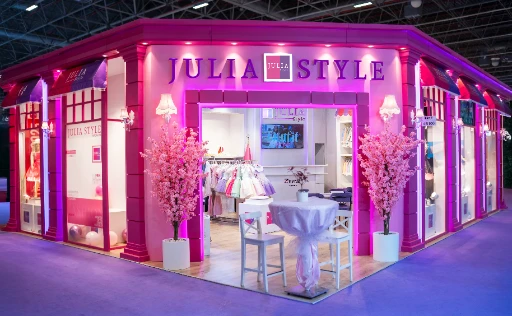


In the world of fashion, girls’ dresses reflect elegance and innocent beauty, adding a magical touch to the appearances of young girls. Julia Style is recognized as one of the leading companies specializing in designing dresses that harmonize with the beauty of nature, featuring names inspired by flowers.
Dresses Inspired by Nature’s Beauty
Julia Style offers dresses that are not just garments but works of art carrying flower names that reflect the beauty of nature. Among these dresses:
Julia Style: Uniqueness in Design and Quality
Julia Style is a leading company in designing and manufacturing girls’ dresses, focusing on delivering unique designs that blend natural beauty with high quality. The company uses the finest fabrics and pays attention to every detail in each design, making every dress a piece of art that embodies the essence of natural beauty and meets the expectations of both mothers and girls.
Attention to Detail and Unmatched Quality
Julia Style not only offers beautiful designs but also emphasizes manufacturing quality and fabric selection to ensure the comfort of the girls. Fabrics are carefully chosen to be beautiful, comfortable, and easy to wear, with precise tailoring reflecting a harmonious design that suits the girl’s body and highlights her beauty in the best way.
Sustainable Design Philosophy and Creativity
Julia Style adheres to a design philosophy that combines natural beauty with sustainability, using eco-friendly fabrics. Designs inspired by nature and flowers carry meaning and spirit that express uniqueness. Each dress from Julia Style tells a story inspired by nature, making it more than just a piece of clothing but an expression of natural beauty and attention to detail.
Customer Experience and Uniqueness
Julia Style’s customers express their great satisfaction through their experiences with the dresses. Mothers and girls are impressed with the quality of the dresses and how they suit various occasions, giving young girls the confidence to shine and feel exceptional.
Conclusion
When choosing Julia Style dresses, you are choosing elegance, quality, and uniqueness. The dresses are not only a means to adorn the young girl but also an expression of her personality, giving her the confidence to shine at every occasion. Julia Style ensures that each dress reflects the beauty and splendor of nature, making every appearance of the young girl a captivating sight that attracts attention. We invite you to discover more of our unique designs by visiting our website or attending our exhibitions.
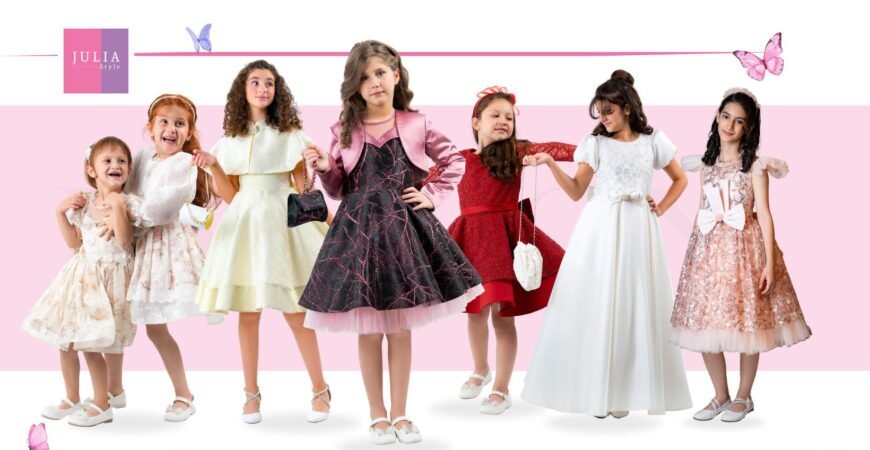
Julia Style, established in Istanbul, Turkey, is a leading brand in the production of girls’ clothing ranging from ages 2 to 12. The company uses the finest fabrics to create winter and summer dresses that suit all ages and meet the needs of every occasion. Julia Style is committed to delivering innovative designs and high quality, making it the top choice for mothers everywhere.
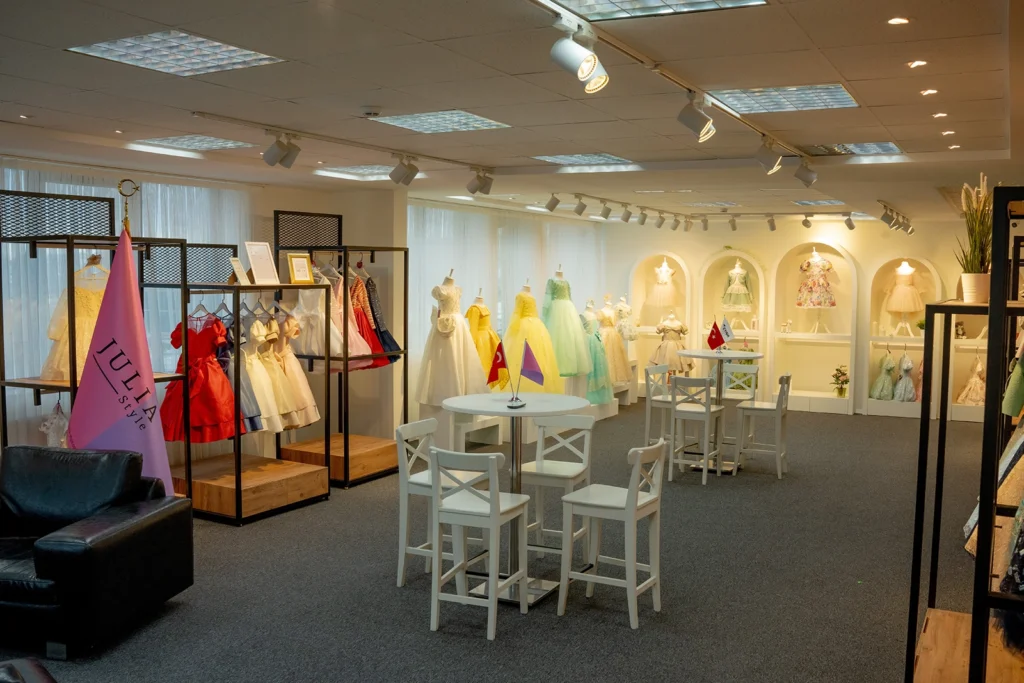
The quality of fabrics is one of the key factors that distinguish Julia Style from others. The company uses carefully selected fabrics to ensure comfort and durability, with a focus on intricate details that add a touch of elegance and distinction to each dress. Julia Style’s designs come directly from its office in Ohio, USA, ensuring that the pieces are in line with the latest global fashion trends.
The headquarters of Julia Style is located in Istanbul, Turkey, a city known for hosting numerous events dedicated to children’s clothing. The company is preparing to participate in the 2024 World Apparel Expo in Istanbul, enhancing its global presence and showcasing its latest collections to a wide audience of enthusiasts and professionals in the field of children’s clothing.
Julia Style is dedicated to helping mothers choose the right clothes for their daughters at every stage of their development. Some of the tips they offer include:
Thanks to the quality of its products and its commitment to delivering the best, Julia Style has earned the trust of mothers worldwide. We look forward to seeing you at the 2024 World Apparel Expo in Istanbul, where we will showcase our latest collections and share experiences with you. For more information or to get in touch with us, please visit our website or contact us through the available communication channels.
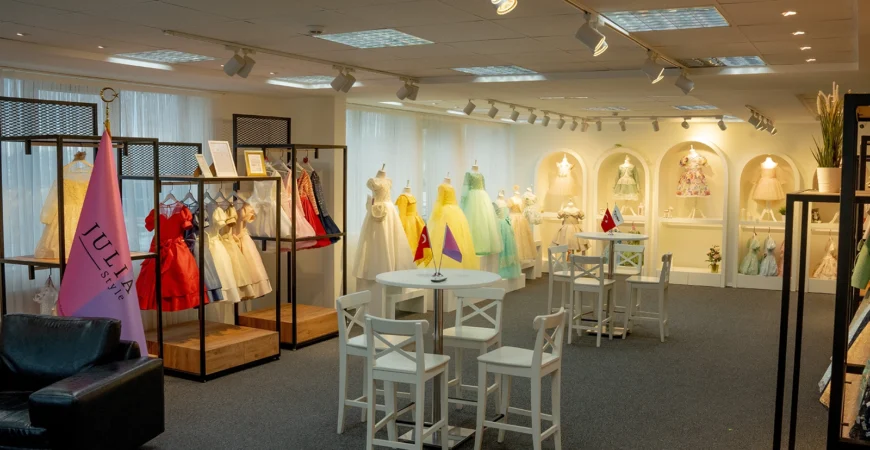
Specialists in the field of children’s clothing, we strive to provide elegance and comfort for the little ones in the fashion world. Our products reflect quality and unique design, where we combine bright colors and attractive patterns to add a magical touch to your children’s wardrobe. Our mission is to meet the needs that exceed the expectations of our customers by providing high-quality products and excellent service.
We pay great attention to detail and ensure that a wide range of clothing is available to suit all ages and tastes.
Whether you are looking for elegant clothes for a special occasion or a variety of high-quality everyday pieces, Julia Style is your perfect destination. We are proud to provide an enjoyable and satisfying shopping experience for our customers, where you can discover the wonderful designs and enjoy the elegance that combines modernity and complete comfort.
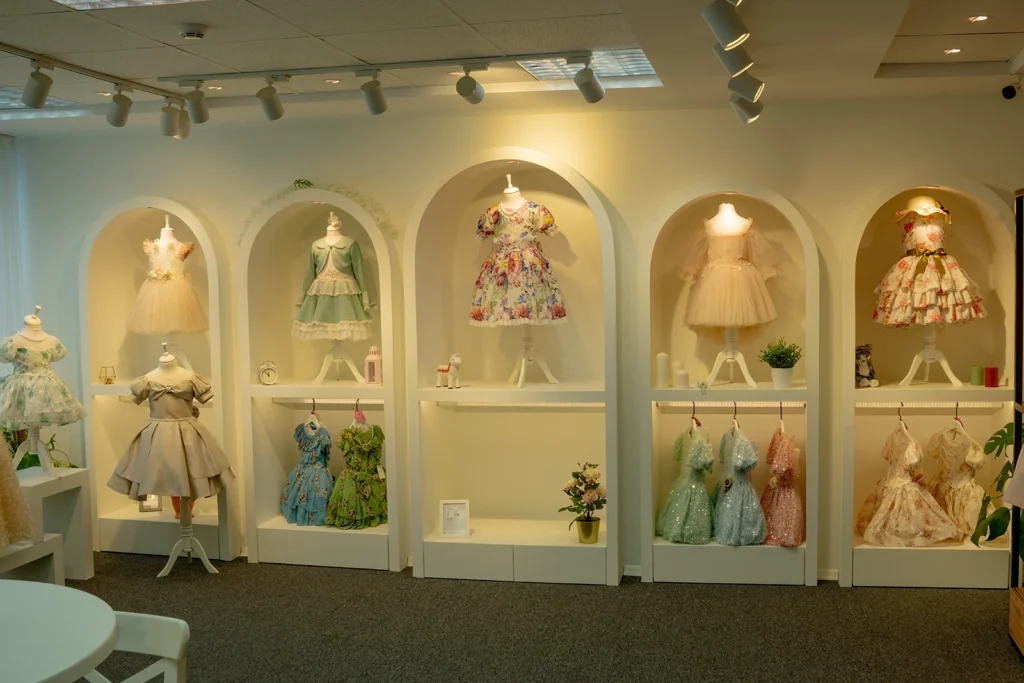
Join the Julia Style family to explore a world of luxury fashion and discover our wonderful collection of fashion, accessories, and elegant pieces that express our distinction and give your children confidence and happiness every day.
We are waiting for your communication with us to serve you and work with you to meet your renewed needs in the world of distinctive children’s fashion.
For more models and clothing collections and to learn more, please join our Telegram group below the article or website.
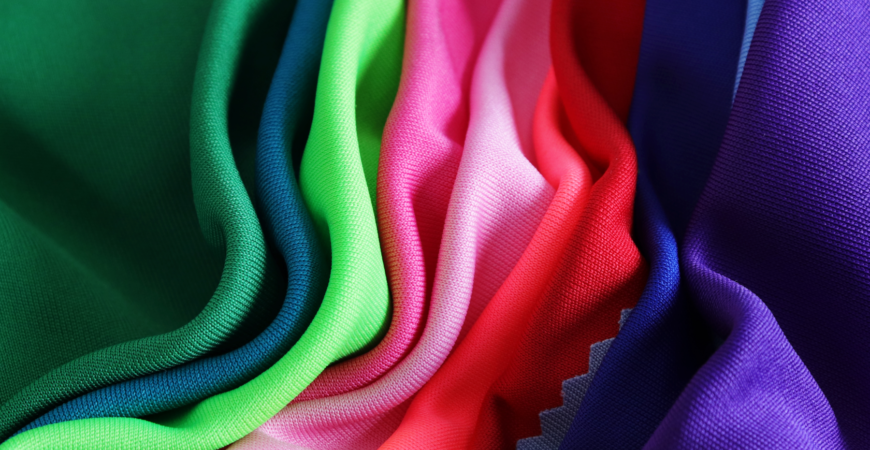
Polyester is a type of fabric made from synthetic fibers that were developed in the 20th century in scientific laboratories. The word polyester is derived from the words “poly” meaning many, and “ester” which is an organic chemical compound. The main material used to make polyester is ethylene, which is derived from petroleum, along with air, coal, and water. [1]
Polyester is made by a reaction between an acid and an alcohol. When this reaction occurs, two or more molecules combine to form a large molecule. Polyester fibers can form very long, stable, and strong molecules. The process of forming polyester is called polymerization. Today, polyester is used in the manufacture of many products, such as clothing, home furnishings, synthetic fabrics, and computers. Polyester has many advantages that rival traditional fabrics like cotton.
Polyester is classified into two main types: saturated polyester and unsaturated polyester.
Saturated Polyester
Saturated polyester: This type refers to the polyester family that is mainly composed of saturated polyester. It is non-reactive as is the case with unsaturated polyester. It is composed of low molecular weight fluids that are used as plasticizers and reactors in the formation of ethane polymers, and high molecular weight thermal linear molecules such as polyethylene. The reactants for saturated polyesters are usually glycol, acid, or non-aqueous acid.
Unsaturated Polyester
This type refers to the polyester family that is mainly composed of alkyl thermosetting resins characterized by vinyl unsaturation. This type of polyester is used in reinforced plastics in particular, and is used extensively because it is very economical.
Polyester fabric has many unique features and properties, the most prominent of which are the following:
Polyester fabric requires special care that suits the characteristics that distinguish this fabric from other fabrics. Among the most prominent ways to care for it are the following:
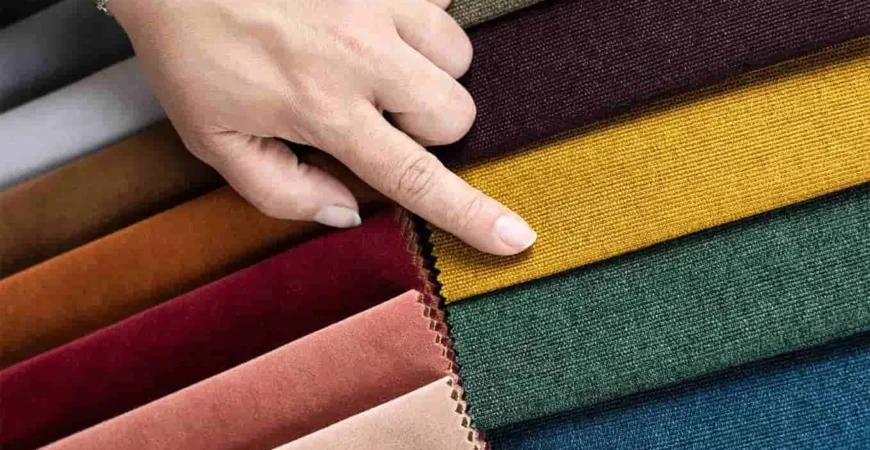
Turkish linen is considered one of the most important types of fabrics in the world, and it is distinguished by its high quality and durability. The price of a meter of this fabric is different compared to silk, chiffon, and polyester. Today, traders are interested in importing and exporting the best types of fabrics. In this article, we will talk about Turkish linen, its properties, and uses. Stay with us.
What is Linen Fabric? Understanding Fibers and Features:
One of the signs of civilization and progress that appeared in early humans over time is wearing clothes. Over time, people learned to produce fabric using different raw materials and then use the fabric to design new and more efficient clothing. Human creativity and intelligence continue to produce new fabrics with new features and capabilities to this day and have occupied a large part of the history of civilization. “Linen fabric” is one of the types of fabrics that have been produced since ancient times and its quality has increased over time. In the following, we will discuss more about what linen fabric is, its features, and applications.
From Fibers to Linen Fabric and Synthetic Fibers:
They are examples of the achievements and raw materials that help us produce fabrics with wide possibilities and reasonable prices. Synthetic fibers often have a long lifespan, and because they are produced from more petroleum products, they are abundant and have a reasonable price. Despite all these positive features, synthetic fibers are still unable to provide the quality and comfort of natural fibers. Given that natural fibers are produced by plants or animals, they have more limitations and obtaining and processing them can lead to more problems. Linen fabric is one of these natural fibers. The blue type of flowers of this plant has finer and thinner fibers. In the past, it was best to grow and use white flowers. This plant basically has three stages of growth, which show different properties and capabilities at each stage. At first, this plant will be green, and harvesting it during this period will give you weak fibers; in the next stage the plant turns yellow and this is the best stage to grow the plant, and its fibers are long and soft. The last stage is the brown color, and during which the fibers become short and thick.
Types of Linen Fabrics:
Linen fabric can have different types according to the production process as well as the compounds used during its production. You can generally consider the following four categories for all types of linen fabrics:
Elastic Linen Fabric – Cotton Linen Fabric:
It is an example of linen fabrics that are very similar to cotton fabrics. The positive features of this type of fabric include high resistance, long life, easy washing, and no restrictions. Among the features that may seem a bit negative, we can mention the property of lint and its ability to wrinkle.
Cotton Linen Fabric:
These are examples of fabrics that use a lot of threads in their production. Among the attractive features of this fabric are its low shrinkage (about 2%), good air flow, and most importantly, its excellent compatibility with the skin of the body and the absence of allergies.
Paper Linen Fabric:
Paper linen fabric is a modified type of linen fabric in which different proportions of cotton, polyester, and viscose are used. According to the percentage of these materials used in the fabric, its final quality can be determined. These fabrics are so light and pure that you can hear a rustling sound similar to the sound of wrinkling paper when you touch them. These fabrics have a beautiful appearance and a relatively long lifespan. Paper linen fabric wrinkles easily, but you can easily and quickly remove wrinkles just by running your wet hand over the fabric.
Soap Linen Fabric:
This type of fabric is one of the highest quality subcategories of linen fabric. The necessary process for high-quality production of this product will be very difficult and energy-consuming. These production difficulties have led many manufacturers to withdraw from the production of this type of fabric, but its production has continued due to the great capabilities of this model, and countries such as China are working in large quantities to produce and supply these materials.
**In the natural ways to produce this type of fabric, they use the cellulose fibers found in it through several stages of soaking flax fibers and flax stem. In industrial samples, it is preferred to use chemicals that produce these fibers to reduce production time and make the process easier. The industrial samples produced from this type of fabric are also of high quality.
**Using linen and soap fabric can be a very suitable choice for you in hot seasons, tropical areas, or Sharjah areas. This fabric does not retain moisture inside itself and dries very quickly. The resistance and lifespan of this fabric are very high. These fabrics are highly dyeable and designable, which makes you able to coordinate the fabric better according to your needs.
Turkish Linen Fabric:
It is interesting to know that Turkish linen fabric was one of the most luxurious goods in ancient Egypt. The difficulty of the production process of this product and the rarity of the plant that produces it
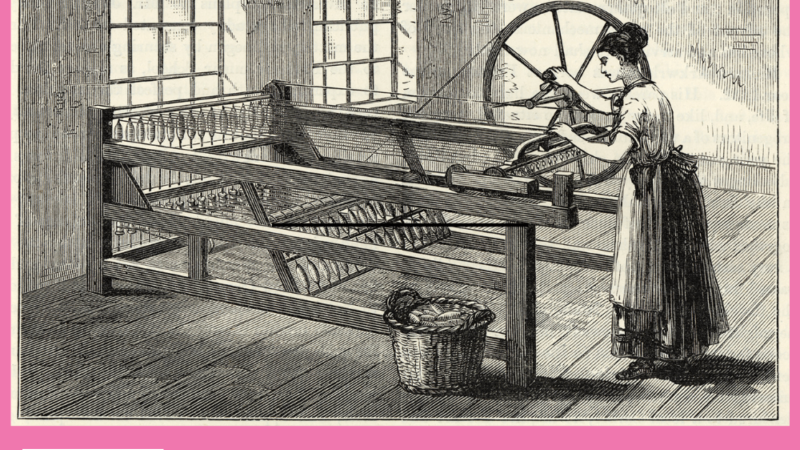
There are many different methods and steps involved in the production of textiles. Each material has its own unique production process and set of standards and specifications that must be met in order to ensure a high-quality product.
Regardless of the type of material used, there are three basic steps involved in textile production:
Optional Finishing Treatment:
In an additional optional step, the fabric can be treated one last time before use to protect the added color. Dyed clothing tends to fade over time or with exposure to water and other elements. These additives act as a protective shield for the textile fabric. They form a layer on top of the color without affecting it. Instead, they add a visual sheen that reflects light off the fabric, making the colors appear brighter and more vibrant. This helps the fabric retain its new appearance for a longer period.
Definition of Fabric:
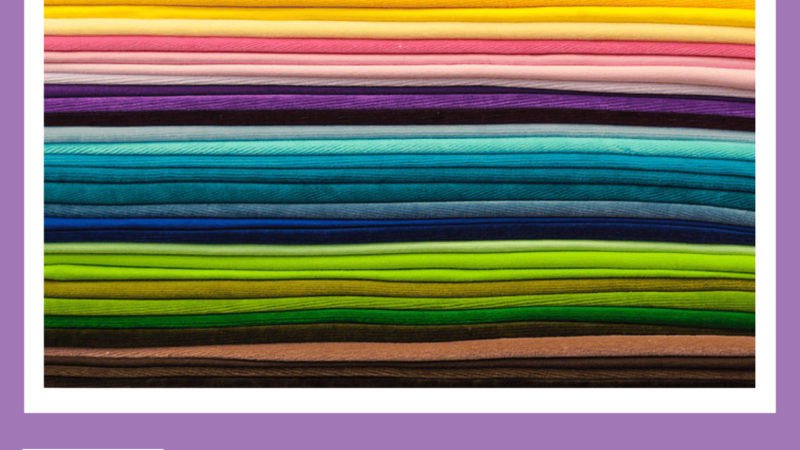
Fabric is a material made up of a network of threads or fibers woven together in a cohesive manner, forming a flat, regular surface. These threads or fibers can be made from natural plant or animal materials, or from synthetic materials.
Components of Fabric:
Uses of Fabric:
History of Fabric Making:
Types of Fabric:
There are many different types of fabric, each with its own properties and uses. Some of the most common types of fabric are:
Fabric Making Today:
The raw materials used to make fabric are classified into three main categories:
The Fabric Making Process:
The fabric making process varies depending on the type of fabric and the materials used. However, in general, the process involves the following steps:
Sustainability in Fabric Making:
The fabric industry faces many challenges today, including:
Conclusion:
Fabric is a versatile and essential material that has been used by humans for centuries. Today, the fabric industry is a complex and global one, and it faces many challenges in terms of sustainability. However, there are also many opportunities to innovate and develop more sustainable and ethical ways of producing fabric.
Introduction:
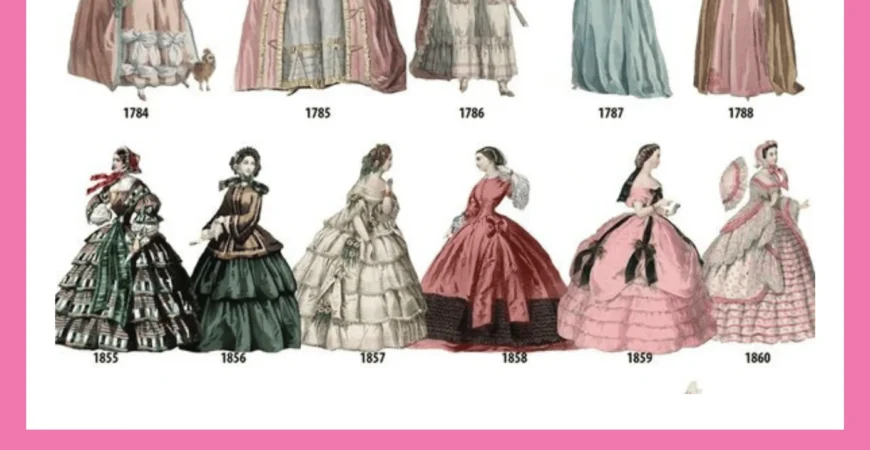
Clothing has been an integral part of human society for millennia, serving not only as a means of protection from the elements but also as a reflection of cultural identity, social status, and personal style. Over time, clothing has undergone a remarkable transformation, evolving from primitive coverings made of animal skins to the intricate and diverse garments we see today.
Early Beginnings: The Necessity of Covering
The earliest evidence of human clothing dates back to around 70,000 years ago, with the discovery of bone needles and leather fragments in South Africa. These rudimentary garments, likely made from animal skins and fur, provided essential protection from the harsh elements and played a crucial role in human survival.
The Advent of Weaving and Textile Production
As civilizations developed and technological advancements were made, clothing production evolved beyond the use of animal skins. Around 8,000 BC, weaving emerged in the Middle East, transforming plant fibers such as flax and hemp into textiles. This breakthrough enabled the creation of more durable, versatile, and aesthetically pleasing garments.
The Rise of Silk and Other Luxurious Fabrics
Silk production originated in China around 2,700 BC, and its intricate beauty and luxurious feel quickly made it a highly sought-after commodity. Silk became a symbol of wealth and status, worn by royalty and nobility across the globe. Other luxurious fabrics, such as cotton and wool, also gained prominence, further diversifying the range of clothing materials available.
Fashion and Cultural Identity
Clothing has always played a significant role in expressing cultural identity. From the traditional robes of ancient civilizations to the diverse fashion styles of modern societies, clothing has served as a visual representation of cultural norms, values, and beliefs. Fashion trends have also emerged, reflecting the changing social, political, and artistic landscapes of different eras.
The Industrial Revolution and Mass Production
The Industrial Revolution of the 18th and 19th centuries brought about a dramatic transformation in the clothing industry. The invention of powered looms and other machinery enabled mass production of textiles, making clothing more affordable and accessible to a wider population. This period also saw the rise of ready-to-wear garments, further democratizing fashion and allowing individuals to express their personal style more freely.
Modern Fashion: Diversity, Innovation, and Sustainability
Today, the fashion industry is a global phenomenon, encompassing a vast array of styles, trends, and brands. From haute couture to fast fashion, clothing choices reflect the diverse preferences and lifestyles of people worldwide. Technological advancements in textile production and design have led to innovative materials and techniques, pushing the boundaries of what is possible in clothing design.
Sustainability in Fashion
In recent years, there has been a growing focus on sustainability in the fashion industry. Concerns about the environmental impact of clothing production and the exploitation of workers have led to the rise of ethical and sustainable fashion brands. These brands prioritize eco-friendly materials, fair labor practices, and transparent production processes.
Conclusion:
The evolution of clothing is a fascinating journey that mirrors the development of human civilization. From the primitive coverings of our ancestors to the intricate and diverse garments of today, clothing has played a pivotal role in shaping our societies, expressing our identities, and reflecting our cultural values. As we move forward, the fashion industry faces the challenge of balancing innovation, sustainability, and the ever-changing needs of individuals and societies.